Plug-in doesn't mean plug-and-forget
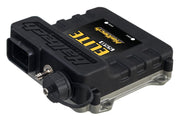
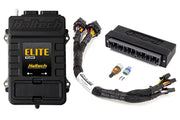
The Elite Pro Plug-in ECU for the Ford Falcon Barra ships ready to run a stock, unmodified vehicle. Plug it in to a factory car and it's set up to start and drive. The moment your car isn't factory, though (bigger injectors, a different turbo, an aftermarket MAP sensor, a transmission swap), the base configuration may no longer match the hardware, and the ECU needs changes before it's safe to run.
That's why we tell every customer the same thing: read the full installation guide before you start, and at a minimum read the wiring and installation section before touching a connector. The better you understand what the ECU is doing, the easier every later step becomes.
Engine damage caused by an incorrect setup isn't covered as a warranty repair, and ignoring the installation warnings may void your warranty entirely. If your car is modified and you're unsure what needs changing, talk to us before the first start, not after.
Our pre-install checklist
1. Know what's been changed on the car
List every modification that touches the engine, sensors or drivetrain. Injectors, fuel pump, turbo, intake, sensors, gearbox and ABS module changes all matter. Compare that list against the setup pages, starting with plug-in model selection and initial ECU setup. If you've swapped transmissions, also read up on ABS module installation status.
2. Have the right tools and parts on hand
Some installs need extra parts, special tools or test equipment. A multimeter, a laptop with ESP installed and a USB cable are the bare minimum. Getting halfway through and discovering you're missing something is the most common cause of shortcuts, and shortcuts early in an install are the ones that cost the most to find later.
3. Use suppressed ignition parts
Electrical noise from non-resistor spark plugs or unsuppressed high-tension leads can upset or even damage an ECU. On a coil-on-plug engine like the Barra this mostly comes down to plug choice: use resistor plugs.
4. Plan for heat
Turbo Barras and cars in hot climates are hard on wiring and fuel parts. Route harnesses and fuel lines away from the exhaust and turbo, add heat shielding where needed, and use the coolest parts of the chassis as mounting points for electronics.
5. Plan for the tune
We strongly recommend having the car tuned by a Haltech dealer or a workshop with a dyno, wideband lambda, fuel pressure gauge and proper logging. Tuning by ear can hide a lean condition until it's too late. If you'd like a plan for your build, book a free consultation.
Safety rules we never skip
- Disconnect the battery before any electrical work.
- Keep ignition sources away from fuel. No open flames, sparks or powered tools near fuel vapor.
- Charge the battery properly. Never use a 24V truck charger, never reverse polarity, and never charge with the engine running. An unregulated supply can destroy the ECU and other electronics.
- Unplug the ECU before arc welding anywhere on the vehicle. Disconnect the harness connector at the ECU.
- Mount fuel parts and wiring away from heat, shielded where needed and with good airflow.
- Check for leaks and bare wire once you're done. A weeping fuel fitting or an uninsulated wire is how fires start.
- Support the car properly. Use jack stands any time you're underneath it, never just a jack.
A note on "MAP"
You'll see "MAP" used two ways in Haltech documentation. MAP sensor means manifold absolute pressure, the sensor that measures engine load. A map or fuel map is a calibration table stored in the ECU. Same letters, completely different things, and it's worth keeping them straight when you're reading setup instructions or talking to your tuner.
What comes next
Once you've worked through this list, move on to the ECU overview and setup pages. Our Barra plug-in quick start guide walks through the first power-up, and the vehicle CAN support page explains which factory systems keep working.
FAQ
Can I install the Barra plug-in on a modified car?
Yes. Just expect to change settings to match your hardware before the first start, and have it tuned afterward.
Do I need to disconnect the ECU to weld on the car?
Yes. Unplug the harness from the ECU before any arc welding. It takes a minute and protects an expensive part.