Why the ECU needs an estimate
A speed-density ECU works out how much air is in the cylinder partly from the air's temperature. Colder air is denser, so there's more of it in the same volume. The intake air temperature sensor measures air before it reaches the engine, but along the way that air touches hot runners, ports and valves. How much heat it picks up depends on how long it spends in there.
The Nexus handles this with a value called Calculated Air Temp, which feeds into its volumetric efficiency calculations. It is a blend of two sensors, the intake air temperature and the coolant temperature, and the Coolant Temp Bias table sets the mix.
How the table works
| Table value | Calculated Air Temp equals |
|---|---|
| 0% | Intake air temperature only |
| 50% | Halfway between intake air and coolant temperature |
| 100% | Coolant temperature only |
So if intake air is 80°F (27°C), coolant is 200°F (93°C) and the table reads 25%, Calculated Air Temp works out at 110°F (43°C).
The shape that makes sense
- Low RPM and load: bias toward coolant. Air moves slowly and has time to soak up heat from the runners and head.
- High RPM and load: bias toward intake air. Air rushes through with less time to heat up, and the larger amount of fuel being sprayed cools the charge as it evaporates.
That is why the table typically slopes down from higher percentages at idle and cruise to low values at full load.
What it means for tuning
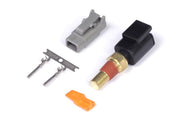
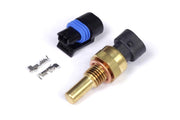
If this table is off, the fuel correction for temperature is off too, and you'll often notice it as fueling that drifts as the engine heats up after your tune, especially at idle and light cruise where coolant has the most influence. Get your sensors reading correctly first. The Haltech coolant temp sensor (small thread), large thread and 1/8 NPT versions all work, alongside a proper intake air temperature sensor.
Leave the table at its default shape unless logs show a clear pattern of heat-related fueling drift. Change it in small steps and retest hot and cold, rather than hiding the problem in the fuel table.
For more on how temperature feeds into fuel, see tuning with VE and coolant temperature.