The job an ECU does
An engine control unit (ECU) is a computer whose core job is two decisions, made over and over, thousands of times a minute: how much fuel each cylinder gets, and exactly when each spark plug fires. On an older engine, those jobs belonged to the carburetor and the distributor, using jets, springs and weights. An ECU does the same work electronically, which means it can be far more precise, and it can be changed with a laptop instead of a parts bin.
Inputs: what the ECU knows
The ECU can only make good decisions with good information, so it reads a set of sensors. The minimum an engine needs to run properly is:
| Sensor | What it tells the ECU |
|---|---|
| Engine speed (crank/cam position) | How fast the engine is turning and where each piston is, so it can time fuel and spark |
| Manifold pressure (MAP) | How hard the engine is working, a key measure of load |
| Throttle position | What the driver is asking for, and how fast that's changing |
| Air temperature | How dense the incoming air is, since cold air holds more oxygen |
| Coolant temperature | Whether the engine is cold and needs extra fuel, or warm |
Outputs: what the ECU controls
At the most basic level, the ECU drives two things:
- Fuel injectors. The ECU sets how long each injector stays open, which sets how much fuel goes in. The goal is the right air-to-fuel ratio for the conditions.
- Ignition coils. The ECU decides when each coil fires, so the spark happens at the ideal point before the piston reaches the top.
Tables: how the ECU decides
The ECU doesn't calculate fuel and spark from scratch. It looks them up. Tuning means filling in lookup tables, usually with engine RPM on one axis and a measure of load, like manifold pressure or throttle position, on the other. Each cell holds the fuel or timing value for that combination.
A simple way to picture it: at 3000 RPM with the engine lightly loaded while cruising, the fuel table might ask for a modest amount of fuel and the ignition table for plenty of timing. At the same RPM at full boost, it looks up a different cell with more fuel and less timing. The ECU reads its sensors, finds where the engine is on the table, blends between the nearest cells, and then adjusts for things like air temperature and coolant temperature.
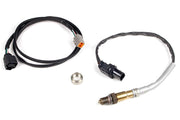
A tuner's job is to get those cells right across every speed and load the engine will see, usually on a dyno with a wideband oxygen sensor confirming the result. Done well, the engine runs cleanly and makes good power everywhere, not just at full throttle.
Base maps: a head start
Nobody starts a tune with empty tables. A base map is a starting calibration for a particular engine that should get it started and running. It's not a finished tune. It's a safe foundation to refine for your exact parts. Haltech offers base maps for many popular engines; see base map basics and free base maps for your ECU.
What aftermarket ECUs add
Controlling fuel and spark is the minimum. A modern aftermarket ECU has spare inputs and outputs, and that's where it earns its keep.
More inputs
- Protection sensors like oil pressure, fuel pressure and exhaust gas temperature. With them, the ECU can pull power or limit RPM if something goes wrong. See engine protection.
- Chassis sensors like driveshaft speed and shock travel, which enable drag racing features such as launch control and torque management.
More outputs
- Thermo fans, shift lights and tachometers
- Variable cam control
- Boost control, nitrous and more
Choosing an ECU
Almost any standalone ECU can run the fuel and spark on an engine. The differences show up in the extras, and some ECUs are built with one kind of motorsport in mind, like drag racing. Before you shop, write down what the car needs to do now and what it might need in two years: drive by wire, boost control, traction or torque management, a dash, CAN devices. Then match that list to the ECU's inputs, outputs and features. You can browse the range in our Haltech collection, or book a free 30-minute consultation and we'll help you pick.
ECU basics FAQ
Is a tune just the fuel and ignition tables?
Those are the core, but a complete tune also covers cold start, idle, transient fueling when the throttle moves, and whatever extra features the car uses.
Can I tune my own ECU?
Yes, the software is available to anyone, but a mistake in fuel or timing can damage an engine quickly. Start with a base map, make small changes, and log everything. Our guide to reading power curves helps when you get to the dyno.